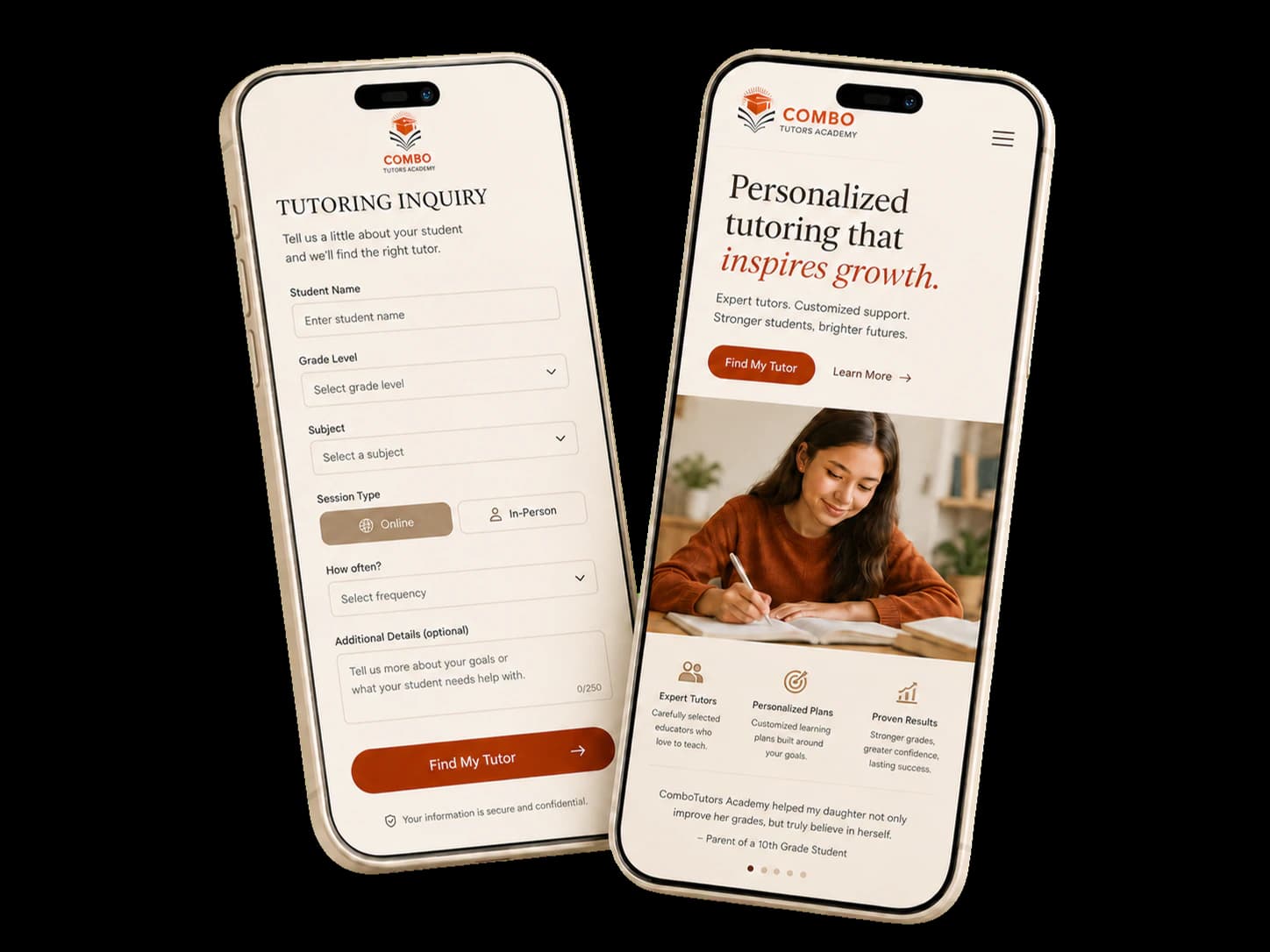
Expert 1-on-1 IB English tutoring for Language & Literature and Literature HL and SL. Master text analysis, oral commentary, and the extended essay — and reach Grade 6 or 7.
Tell us the subject, exam board and current level.
English A: Language & Literature HLEnglish A: Language & Literature SLEnglish A: Literature HLEnglish A: Literature SLEnglish A: Language & Literature HLEnglish A: Language & Literature SLEnglish A: Literature HLEnglish A: Literature SLEnglish A: Language & Literature HLEnglish A: Language & Literature SLEnglish A: Literature HLEnglish A: Literature SL
Real specialists
Meet tutors with examiner instincts.
Specialist tutors with board knowledge, strong academic backgrounds, and proven grade-improvement records.
IB English Examiner
Ms Eleanor Doyle
Oxford English · IB Oral Examiner
IB English A HL and SL (Language & Literature, Literature)
Avg +1.7 grade improvement
World Literature Specialist
Mr Aaron Oduya
Durham BA English Literature · PGCE
IB English A Literature HL and SL, world literature and postcolonial texts
90% of students reach Grade 6+
IO & Paper 1 Specialist
Ms Charlotte Singh
Edinburgh MA English
IB English Language & Literature SL and HL, IO preparation
Average IO score: 42/50
Our standard
Every tutor clears a high bar.
UK-qualified teachers
Degree-level subject specialists, many PGCE-trained, who teach to the UK exam standard.
Examiner insight
Tutors who know the mark schemes and coach the exact phrasing that earns every mark.
Vetted & background-checked
Tutors complete interviews, teaching demonstrations and the academy's structured approval process before student assignments.
Matched to your board
You are paired with a specialist in your exact board and tier — never a generalist.
Lesson flow
From confusion to calm, one lesson at a time.
Our tutors develop both the close reading technique and the structural essay skills that distinguish Grade 6–7 responses from generic literary commentary.
Step 1
Pinpoint the gaps
We start with recent marks, confidence blockers, and the exact exam board so sessions feel personal from lesson one.
Step 2
Teach the mark scheme
Tutors connect concepts to examiner language, worked examples, and the habits that turn knowledge into marks.
Step 3
Track the lift
Parents see what changed after each session: topics covered, next steps, and the grade trajectory we are building toward.
What we cover
A syllabus map students can actually follow.
Paper 1 — Unseen Text Analysis
Analysing unseen literary or non-literary texts for their guiding question. We practise annotating for literary devices, structure, tone, and purpose — and teach the 'guided analysis' format that maps to the highest mark bands.
Paper 2 — Comparative Essay
A written comparison of two studied literary works in response to a previously unseen question. We practise essay structures that introduce a clear argument, embed textual evidence, and sustain comparative analysis throughout.
Individual Oral (IO)
A 15-minute spoken analysis comparing an extract from one studied work to a global issue. We practise the IO structure: introduce the global issue, analyse both texts with close reference, and link analysis to context. Preparation is highly learnable.
Higher Level Essay (HL only)
A 1,200–1,500 word formal essay connecting a studied work to a concept. HL students must demonstrate independent critical thinking beyond class notes. We guide topic selection, argument development, and formal academic register.
Literary Devices & Textual Analysis
Imagery, metaphor, symbolism, irony, structure, narrative voice, tone, syntax, and diction — the analytical vocabulary essential for all components. We build this vocabulary systematically through annotated practice extracts.
World Literature & Global Issues
Understanding how cultural context shapes literary meaning, and linking literary analysis to global issues (identity, power, culture, technology, environment, politics). Required for the IO and relevant to Paper 2.
Extended Essay in English (optional)
For students choosing an English Extended Essay. We support topic selection from Category 1, 2, or 3, research question formation, essay structure, and critical argument development across the full 4,000 words.
Paper 1 — Unseen Text Analysis
Analysing unseen literary or non-literary texts for their guiding question. We practise annotating for literary devices, structure, tone, and purpose — and teach the 'guided analysis' format that maps to the highest mark bands.
Paper 2 — Comparative Essay
A written comparison of two studied literary works in response to a previously unseen question. We practise essay structures that introduce a clear argument, embed textual evidence, and sustain comparative analysis throughout.
Individual Oral (IO)
A 15-minute spoken analysis comparing an extract from one studied work to a global issue. We practise the IO structure: introduce the global issue, analyse both texts with close reference, and link analysis to context. Preparation is highly learnable.
Higher Level Essay (HL only)
A 1,200–1,500 word formal essay connecting a studied work to a concept. HL students must demonstrate independent critical thinking beyond class notes. We guide topic selection, argument development, and formal academic register.
Literary Devices & Textual Analysis
Imagery, metaphor, symbolism, irony, structure, narrative voice, tone, syntax, and diction — the analytical vocabulary essential for all components. We build this vocabulary systematically through annotated practice extracts.
World Literature & Global Issues
Understanding how cultural context shapes literary meaning, and linking literary analysis to global issues (identity, power, culture, technology, environment, politics). Required for the IO and relevant to Paper 2.
Extended Essay in English (optional)
For students choosing an English Extended Essay. We support topic selection from Category 1, 2, or 3, research question formation, essay structure, and critical argument development across the full 4,000 words.
See this plan built around your child's exact paper.
1Writing a focused analytical argument (not description)+
Most students describe what a text says rather than arguing what it means and how the author achieves that meaning. We teach a response structure: introduce a clear analytical claim, embed short textual evidence, explain the effect (with reference to technique and context), and link back to the guiding question or prompt.
2Individual Oral preparation+
The IO is highly structured but students often prepare it loosely. We work through: selecting the right extract, framing the global issue clearly, practising the 10-minute monologue with timed sessions, and preparing for the 5-minute follow-up Q&A. Students who rehearse the IO specifically perform significantly better.
3Paper 1 under exam conditions+
Paper 1 tests analysis of unseen texts under time pressure. We practise with real IB past-paper texts, teaching an annotation method: 30 seconds to read the guiding question, 5 minutes to annotate for technique and structure, then structured writing. The process becomes automatic with repeated practice.
1
Writing a focused analytical argument (not description)
Most students describe what a text says rather than arguing what it means and how the author achieves that meaning. We teach a response structure: introduce a clear analytical claim, embed short textual evidence, explain the effect (with reference to technique and context), and link back to the guiding question or prompt.
2
Individual Oral preparation
The IO is highly structured but students often prepare it loosely. We work through: selecting the right extract, framing the global issue clearly, practising the 10-minute monologue with timed sessions, and preparing for the 5-minute follow-up Q&A. Students who rehearse the IO specifically perform significantly better.
3
Paper 1 under exam conditions
Paper 1 tests analysis of unseen texts under time pressure. We practise with real IB past-paper texts, teaching an annotation method: 30 seconds to read the guiding question, 5 minutes to annotate for technique and structure, then structured writing. The process becomes automatic with repeated practice.
“
Proof that feels close to home.
MP
Mrs Patricia O'Brien, parent
Verified
7
“
My daughter's English essays described the plot beautifully but never argued anything. After four sessions learning to write analytically her essays became Grad...
IB English A Language & Literature HL · Dublin
CR
Chloe R., student
Verified
6
“
I was terrified of the Individual Oral — speaking for 10 minutes with no notes. After three dedicated rehearsal sessions I had a structure I trusted and actuall...
IB English A Literature SL · Paris
MD
Mr David Okonkwo, parent
Verified
7
“
Paper 1 unseen texts were where my son always lost marks. The tutor's annotation method transformed how he approached unseen analysis. He scored a 7.
IB English A Literature HL · Lagos
Sarah M.
Verified
Grade 4 → 6
“
My daughter was struggling with IB Mathematics HL and had almost given up hope of getting a 7. After just two months of weekly sessions with her ComboTutors tut...
Parent of IB Student · London
James P.
Verified
B → A*
“
My son started tutoring for A-Level Physics about three months before his exams. His tutor was incredibly patient and broke down complex topics like electromagn...
Parent of A-Level Student · Manchester
Priya K.
Verified
+2 Grades
“
We needed help with GCSE Science for my son who found chemistry particularly challenging. His tutor made the sessions engaging and relatable—using real-world ex...
Language & Literature studies both literary texts and non-literary texts (advertising, speeches, media, journalism) — analysing language in all its forms. Literature studies exclusively literary works (novels, poetry, drama). Both are available at HL and SL. The choice depends on your interests and university requirements.
The Individual Oral (IO) is a 15-minute assessed spoken commentary worth 25–30% of the final grade. You analyse an extract from one studied work, linking it to a global issue, and respond to examiner questions. It is internally assessed at your school. Preparation makes an enormous difference.
Yes — the HLE is a 1,200–1,500 word formal essay connecting a studied work to a literary concept. The most common errors are: an unfocused argument, over-reliance on plot summary, and a weak introduction. We work on essay structure, argument clarity, and academic register.
Yes — for students choosing English as their Extended Essay subject. We cover all three categories (Category 1: literary analysis; Category 2: comparative language studies; Category 3: language and mass communication). We support the full 4,000-word process from research question to final draft.