

MJ
Mrs Julie Barnes, parent
Verified
Grade 8My daughter was writing language analysis with no real depth. After five sessions she had a method that worked every time. She went from Grade 5 to Grade 8.
AQA GCSE English Language · London
Expert 1-on-1 GCSE English Language tutoring for AQA, Edexcel, and OCR. Master reading analysis, creative writing, and transactional writing to reach Grade 7, 8, or 9.
90%
reach Grade 7 or above
+1.8
average grade improvement
10+
years average tutor experience
Free
first lesson, no commitment
Free trial lesson
Tell us the subject, exam board and current level.
Specialist tutors with board knowledge, strong academic backgrounds, and proven grade-improvement records.
 AQA Examiner
Ms Victoria Palmer
Oxford BA English · AQA Senior Examiner
GCSE English Language (AQA, Edexcel), A-Level English Language
Avg +1.9 grade improvement
 11+ Years Teaching
Mr Marcus Williams
Cambridge BA English · PGCE
GCSE English Language and Literature, A-Level English
92% of students reach Grade 7+
Degree-level subject specialists, many PGCE-trained, who teach to the UK exam standard.
Tutors who know the mark schemes and coach the exact phrasing that earns every mark.
Tutors complete interviews, teaching demonstrations and the academy's structured approval process before student assignments.
You are paired with a specialist in your exact board and tier — never a generalist.
Our tutors build both reading analysis and writing quality simultaneously — the combination needed to score well across all four assessment objectives.
Step 1
We start with recent marks, confidence blockers, and the exact exam board so sessions feel personal from lesson one.
Step 2
Tutors connect concepts to examiner language, worked examples, and the habits that turn knowledge into marks.
Step 3
Parents see what changed after each session: topics covered, next steps, and the grade trajectory we are building toward.
Identifying explicit and implicit information, tracking character and atmosphere across a passage, and selecting precise textual evidence for analysis.
Comparing writers' viewpoints and perspectives, evaluating effectiveness of arguments, and identifying persuasive techniques in articles, speeches, and letters.
Analysing how writers use language for effect — identifying literary and rhetorical techniques, commenting on connotations, and evaluating structural choices.
Descriptive and narrative writing with a focus on structural choices, sophisticated vocabulary, varied sentence forms, and deliberate craft — not just imagination.
Letters, articles, speeches, and reports written for a specific audience and purpose. Students learn to adapt register, use persuasive techniques, and structure arguments effectively.
Synthesising ideas from two non-fiction texts, comparing methods and perspectives — one of the highest-mark question types on Paper 2.
Identifying explicit and implicit information, tracking character and atmosphere across a passage, and selecting precise textual evidence for analysis.
Comparing writers' viewpoints and perspectives, evaluating effectiveness of arguments, and identifying persuasive techniques in articles, speeches, and letters.
Analysing how writers use language for effect — identifying literary and rhetorical techniques, commenting on connotations, and evaluating structural choices.
Descriptive and narrative writing with a focus on structural choices, sophisticated vocabulary, varied sentence forms, and deliberate craft — not just imagination.
Letters, articles, speeches, and reports written for a specific audience and purpose. Students learn to adapt register, use persuasive techniques, and structure arguments effectively.
Synthesising ideas from two non-fiction texts, comparing methods and perspectives — one of the highest-mark question types on Paper 2.
See this plan built around your child's exact paper.
Book Free Demo
+1.8
average grade improvement
Students often identify a technique without explaining its effect. We teach a precise analytical method: name, quote, effect on reader, connotation — practised with real past-paper extracts until it becomes instinctive.
Top marks in creative writing require deliberate structural choices — not just a good story. We teach students to plan their structure before writing, use varied sentence lengths, and craft an opening that immediately engages the reader.
The 16-mark comparison question on AQA Paper 2 requires students to synthesise and compare across two texts. We practise a consistent structure: point, text 1 evidence, text 2 evidence, comparison phrase, effect.
My daughter was writing language analysis with no real depth. After five sessions she had a method that worked every time. She went from Grade 5 to Grade 8.
Creative writing was my weakness. The tutor taught me to plan and structure deliberately. By the exam I actually enjoyed the writing section.
My daughter was struggling with IB Mathematics HL and had almost given up hope of getting a 7. After just two months of weekly sessions with her ComboTutors tut...

My son started tutoring for A-Level Physics about three months before his exams. His tutor was incredibly patient and broke down complex topics like electromagn...

We needed help with GCSE Science for my son who found chemistry particularly challenging. His tutor made the sessions engaging and relatable—using real-world ex...
I used ComboTutors to prepare for the Digital SAT. My tutor helped me develop a study plan, learn time-management techniques, and practise with realistic mock t...
Join 1,200+ families
Book your free trial today.
Families usually want three things: a tutor their child respects, a plan that fits the real paper, and updates that make progress easy to follow.
We shortlist tutors who know the curriculum, teach clearly, and can coach the exact exam habits that lift marks.
Top-university academics and exam-savvy specialists.
Parents see what was covered, what improved, and what needs attention next, so progress never feels vague.
Structured feedback after every lesson block.
Sessions are matched to the student's board, tier, topic gaps, and exam timeline instead of generic subject tutoring.
Board-specific support with a measurable target grade path.
Ready to close the gaps? Start with a free demo.
Book Free DemoGCSE FAQ
Yes — GCSE English Language is a core subject for all students in England and Wales. Along with Maths, it is one of the two qualifications employers and universities most commonly require a specific grade in.
Creative writing is marked across four areas: communication and organisation (AO5) and vocabulary, sentence structure, spelling, and punctuation (AO6). Top marks go to students who demonstrate deliberate craft — not just creativity. We teach students to write with structure and precision.
The spoken language endorsement is assessed by your school (not externally examined) and results in a Pass, Merit, or Distinction recorded separately on your certificate. It does not affect your overall grade. We can help you prepare an effective presentation if needed.
Yes. We cover Paper 1 (fiction reading + creative writing) and Paper 2 (non-fiction reading + transactional writing) in full. Most students benefit from working on both reading and writing skills simultaneously.
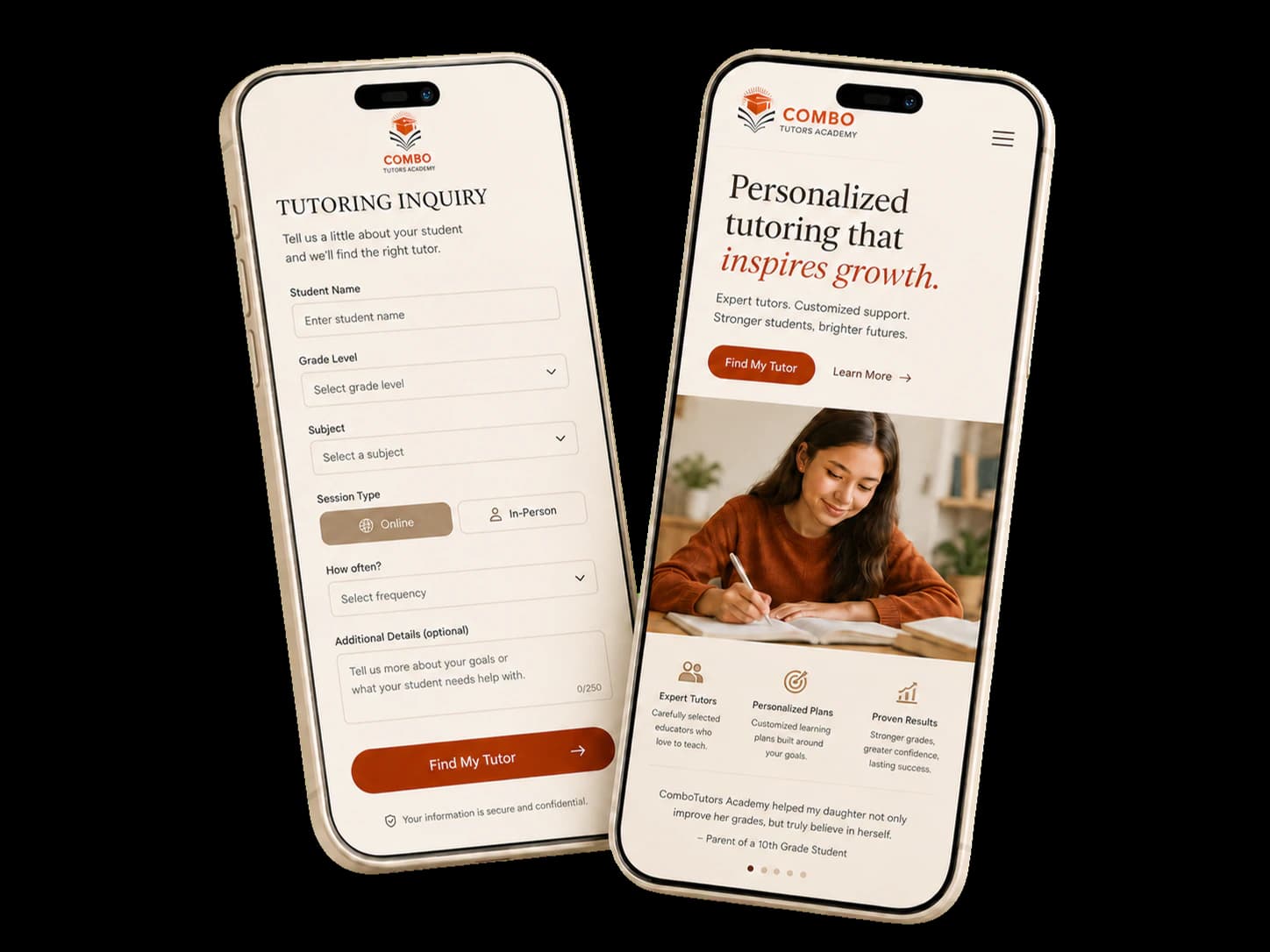
Book a free consultation and we will match you with a specialist GCSE English Language tutor who can make a real difference.